A request such as “Please provide a quotation for engineering consultancy” leaves several important questions unanswered. What is being designed or reviewed? What information already exists? Who will coordinate the other disciplines? Without that context, a consultant may need further clarification before defining a scope and preparing a meaningful proposal.
If you are requesting an engineering consultancy proposal in Abu Dhabi, start with a practical project brief: a concise explanation of the project, the decision you need to make, and the support you expect. You do not need to resolve every technical question first. You do need to distinguish confirmed information from assumptions and identify what is still unknown.
The checklist below is a starting point for owners, developers, contractors and project managers. Adapt it to your project’s stage and complexity; not every document or service applies to every enquiry.
Why a Clear Project Brief Matters
A useful brief gives consultants a common basis for understanding the assignment. It helps them identify relevant disciplines, recognise missing inputs and explain the assumptions behind their fees and programme.
It also makes proposals easier to compare. A fee for reviewing an existing design covers a different assignment from a fee for developing a new design, coordinating submissions and attending site. A clear brief brings those differences into the discussion before appointment.
1. Define the Project and the Decision Required
Begin with the project’s purpose, location and current stage. Include the development or facility type, the approximate scale where known, and whether the works concern a new development, an extension, an existing asset or a specific construction issue.
Then state the decision the consultancy should support. For example, do you need to assess a foundation concept, review a structural design, develop an access-road layout or establish how a multidisciplinary package will be managed?
A general request for “foundation advice” becomes more useful when it explains that an owner needs a review of a proposed foundation concept against the available ground investigation report before progressing the structural design. This identifies both the question and the intended next step without prescribing the engineering answer.
Name the organisation requesting the proposal, its role in the project, and the person authorised to answer technical and commercial questions.
2. Identify the Engineering Consultancy Scope
Describe the work you believe is required and indicate where you need help defining it. Depending on the assignment, the enquiry may relate to one discipline or several connected services:
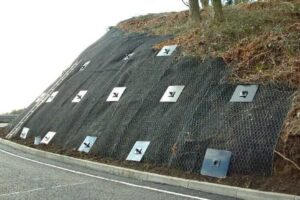
- Geotechnical consultancy: interpreting ground conditions, reviewing investigation information, assessing foundation options or considering slope stability. Explain whether investigations already exist and whether additional investigation needs to be scoped. SAC’s geotechnical consultancy services outline relevant areas of support.
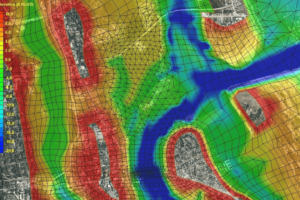
- Infrastructure engineering: road layouts, access arrangements, drainage or utility interfaces. Identify the affected area and known connections to existing infrastructure. See SAC’s infrastructure engineering services for related disciplines.
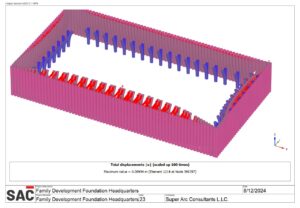
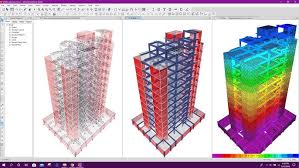
- Structural engineering: a new design, verification of an existing design, or an assessment of an existing structure. State which task is required and what information is available. These are distinct assignments within structural engineering consultancy.
- Project management consultancy: support with planning, cost monitoring, reporting, risk or stakeholder coordination. Specify the phase and the management functions you expect to include.
These are possible routes, not a package required for every project. If the discipline is uncertain, describe the issue and the intended outcome so that the scope can be clarified.
3. Prepare Available Drawings, Reports and Site Information
Create a short document register rather than sending an unexplained folder. For each relevant item, record its title, reference, revision, date and status. Distinguish approved information from preliminary drawings, superseded files and records that have not been verified.
Depending on the scope, useful inputs may include:
- Site location, plot reference, boundary information and access constraints.
- Architectural, structural, infrastructure or as-built drawings.
- Topographical surveys and available utility records.
- Ground investigation reports, borehole logs and laboratory results.
- Existing calculations, specifications and design criteria.
- Inspection records, dated photographs and descriptions of observed defects.
- Previous submissions, review comments and relevant project correspondence.
Identify gaps explicitly. “As-built drawings unavailable” or “utility records awaiting confirmation” is more useful than leaving the consultant to assume those inputs exist. Ask the proposal to explain whether missing information requires a separate survey, investigation or initial review stage, and who would arrange it.
For an existing structure, photographs may help explain the concern, but should not be treated as a substitute for the records or inspection that an assessment may require.
4. Clarify Deliverables, Responsibilities and Interfaces
Describe what you expect to receive and how it will be used. A technical opinion for an internal decision, detailed construction drawings and an authority submission package serve different purposes.
Where relevant, discuss reports, calculations, drawings, specifications, models, review responses and progress reporting. Identify required formats and whether editable files are needed. State whether meetings, site visits, submission support or construction-stage assistance should be included.
Clarify who provides the base information, who coordinates other designers, who consolidates comments and who accepts the deliverables on the client’s behalf. For example, an access-road assignment may need interfaces with drainage, utilities, lighting and the development boundary. Agree where each designer’s scope begins and ends.
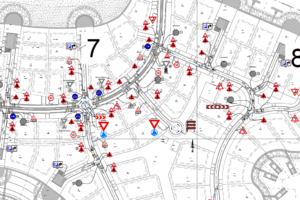
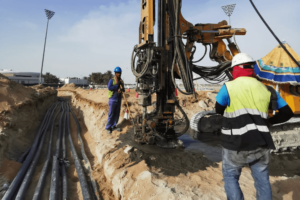
SAC’s published Roads and Infrastructure Design project illustrates how road design can involve utility coordination and other disciplines. It is a useful reference for discussing interfaces, rather than a scope template for every road enquiry.
Ask the consultant to state exclusions and the allowance for review cycles. Additional surveys, changed design inputs, specialist studies and extra site attendance should be discussed explicitly rather than assumed to be included.
5. Consider Authority Coordination Where Applicable
If submissions or approvals form part of the assignment, explain the current position. Share relevant previous correspondence, outstanding comments and any known requirements from the owner, developer, asset operator or reviewing authority.
Ask who will prepare, check, sign and submit the documentation, and who will respond to comments. Clarify whether coordination, resubmissions and third-party charges are included or excluded.
The applicable route depends on the project’s location, type, scope and interfaces. Confirm it for the specific assignment; a submission process used on another project should not be assumed to apply. Approval decisions and external review periods remain with the relevant reviewing bodies.
6. Define the Expected Programme and Project Stage
Give the requested proposal date separately from the target date for the consultancy deliverables. Explain whether the project is at feasibility, concept, detailed design, tender, construction or an existing-asset assessment stage.
Identify key milestones, the expected appointment date, site-access arrangements and when essential information will be available. If a deadline is fixed by another project activity, explain the dependency.
Ask for a programme that identifies assumptions, client review periods and dependencies on surveys, investigations or third-party responses. A requested completion date should be discussed against the actual scope and available inputs.
Where the need extends to managing several workstreams, SAC’s project management consultancy services provide a relevant starting point for discussing planning, reporting and coordination responsibilities.
Practical Checklist Before Sending an Engineering Consultancy RFQ
Use the following headings to organise your request for quotation (RFQ). Mark items as “available”, “to be confirmed” or “not applicable”, and keep the opening summary concise.
- Project: name or reference, location, type, approximate scale and current stage.
- Objective: the question to answer or decision the consultancy must support.
- Requested scope: disciplines, work packages and known boundaries.
- Available information: a register of relevant drawings, surveys, reports and revisions.
- Information gaps: missing inputs, unverified records and investigations still to be discussed.
- Deliverables: expected outputs, intended use and required formats.
- Interfaces: other consultants, contractors, operators and client representatives involved.
- Authority coordination: current status and requested support, where applicable.
- Programme: proposal deadline, appointment target, milestones and dependencies.
- Commercial basis: requested fee breakdown, payment milestones and treatment of optional services or third-party costs.
- Contact: company, project role and nominated person for clarifications.
If the scope is still developing, say so. You can request a clearly defined initial stage to review the available information and identify the next steps, with later services priced separately where appropriate.
Questions to Clarify Before Comparing Consultancy Proposals
Before comparing the total fees, check that the proposals address the same assignment. Useful questions include:
- Does each proposal answer the same project question and cover the same stage?
- Are the deliverables, intended uses and discipline boundaries equivalent?
- What assumptions have been made about the completeness and reliability of the supplied information?
- Are surveys, testing, site visits and specialist inputs included, optional or provided by others?
- Who coordinates interfaces, submissions and responses to review comments?
- How many meetings, review cycles or visits are allowed for?
- What starts the delivery period, and which dependencies affect it?
- How will scope changes, additional services and related fees be agreed?
- Are payment terms, taxes, third-party charges and proposal validity clearly stated?
Record clarifications and make sure the agreed scope, responsibilities and commercial basis are reflected in the appointment documents. A lower headline fee may cover fewer services; understanding the difference supports a more informed decision.
How SAC Can Support Your Project
Super Arc Consultant (SAC) provides engineering consultancy services covering geotechnical, infrastructure and structural engineering, alongside project management consultancy. Depending on the assignment, the discussion may focus on a specialist review, a defined design package or coordination across disciplines.
A clear brief helps establish which support is relevant, what information needs clarification and what should be addressed in the proposal. The appropriate services and deliverables can then be discussed for your particular project.
Discuss Your Engineering Consultancy Requirements
Preparing an enquiry for a project in Abu Dhabi or elsewhere in the UAE? Contact SAC to discuss your engineering consultancy requirements. Include a short project summary, its location and stage, the support you are seeking and your target programme. List the drawings and reports available, then agree how any supporting documents should be shared.